02.03.26
The Next Evolution of Retail: A Blueprint for Enduring Value
By Ali Haddad
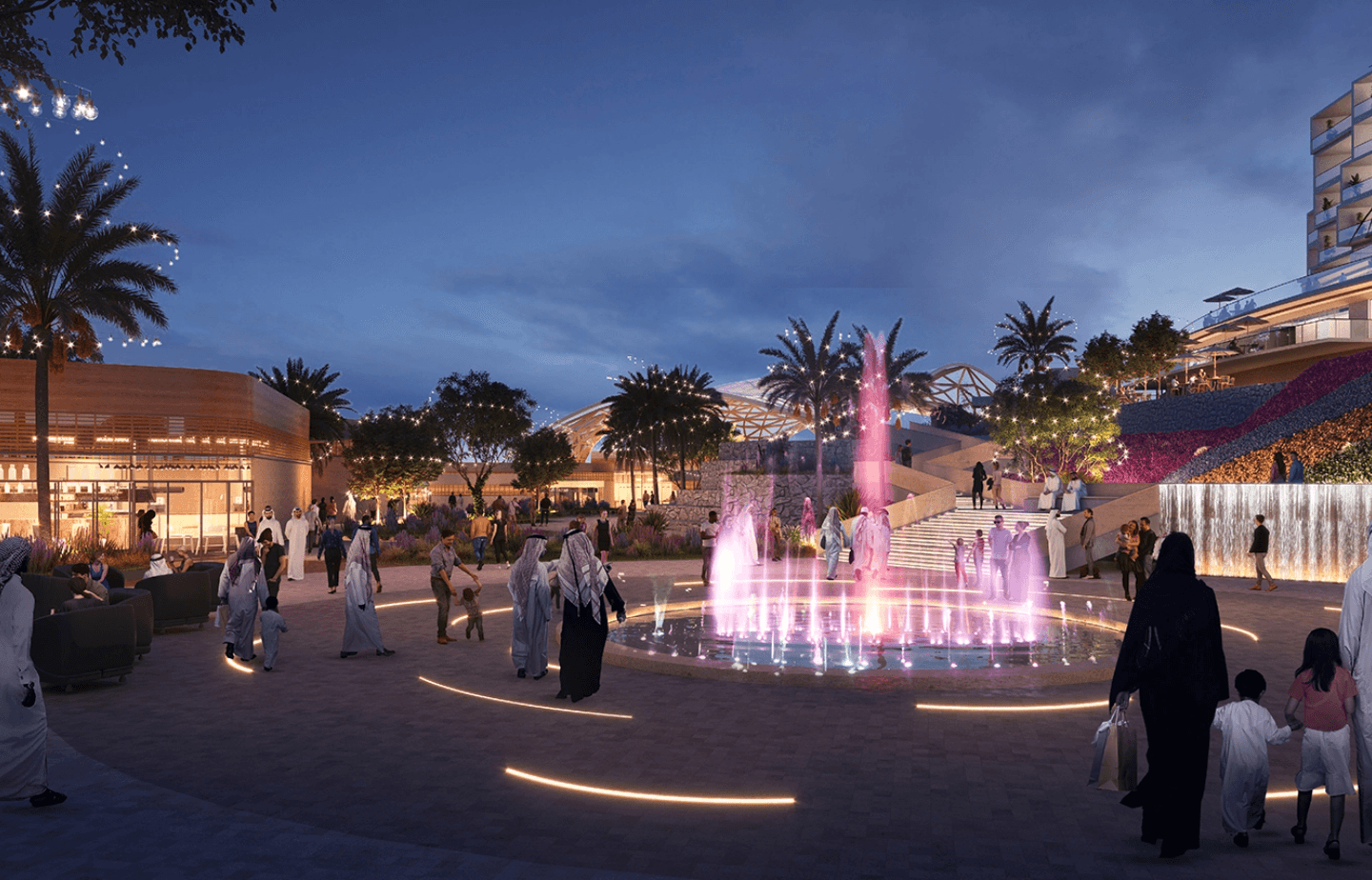
Retail is not vanishing—it is transforming. The linear, single-use model is obsolete. Today’s most resilient and valuable properties are defined not by transactional volume, but by their capacity for adaptability and their ability to curate authentic, engaging experiences.
Future-proofing retail is not about aesthetics. It is a strategic endeavor that requires developers and owners to move beyond simple design and embrace a holistic approach that aligns space with the fluid realities of how people shop, gather, and connect. At Prosper Architects, we see this not as a challenge, but as a strategic opportunity: to evolve properties from mere points of sale into dynamic destinations positioned for long-term value.
Market Forces Driving Change
The Evolving Consumer: The modern consumer is value-driven, digitally fluent, and seeking experiences. Gen Z is 7% more likely to purchase secondhand, contributing to a resale market projected to reach $73B by 2028. At the same time, consumers expect seamless integration across digital and physical touchpoints. Harvard research shows omnichannel customers spend 15–30% more than single-channel shoppers—proof that physical stores are critical drivers in a hybrid journey.
Macroeconomic Pressures: Labor shortages, rising wages, and property rents up 20–40% in prime areas are forcing efficiency. Automation of routine tasks frees staff for higher-value, customer-facing roles, aligning with the experiential model where service and knowledge are as important as product. Strategic design has become a financial necessity.
The Architectural Blueprint for Resilience
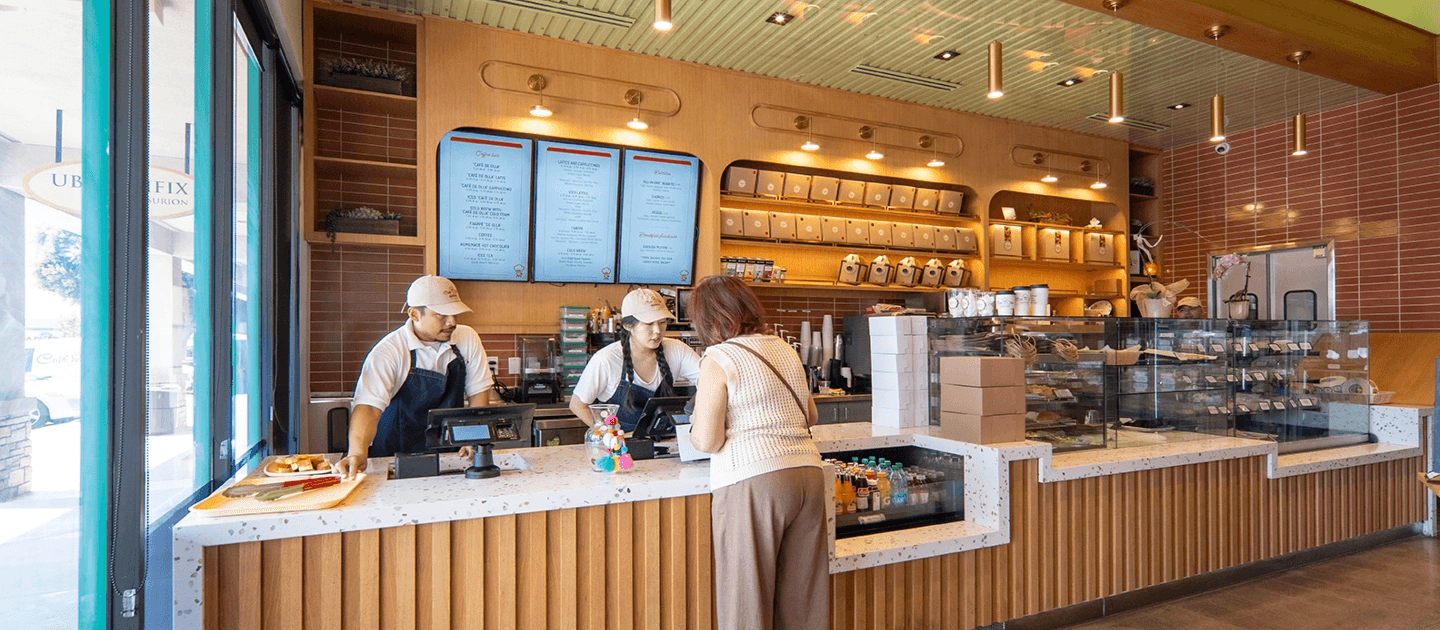
The Evolving Consumer: The modern consumer is value-driven, digitally fluent, and seeking experiences. Gen Z is 7% more likely to purchase secondhand, contributing to a resale market projected to reach $73B by 2028. At the same time, consumers expect seamless integration across digital and physical touchpoints. Harvard research shows omnichannel customers spend 15–30% more than single-channel shoppers—proof that physical stores are critical drivers in a hybrid journey.
Macroeconomic Pressures: Labor shortages, rising wages, and property rents up 20–40% in prime areas are forcing efficiency. Automation of routine tasks frees staff for higher-value, customer-facing roles, aligning with the experiential model where service and knowledge are as important as product. Strategic design has become a financial necessity.
The Architectural Blueprint for Resilience
The Evolving Consumer: The modern consumer is value-driven, digitally fluent, and seeking experiences. Gen Z is 7% more likely to purchase secondhand, contributing to a resale market projected to reach $73B by 2028. At the same time, consumers expect seamless integration across digital and physical touchpoints. Harvard research shows omnichannel customers spend 15–30% more than single-channel shoppers—proof that physical stores are critical drivers in a hybrid journey.
The Evolving Consumer: The modern consumer is value-driven, digitally fluent, and seeking experiences. Gen Z is 7% more likely to purchase secondhand, contributing to a resale market projected to reach $73B by 2028. At the same time, consumers expect seamless integration across digital and physical touchpoints. Harvard research shows omnichannel customers spend 15–30% more than single-channel shoppers—proof that physical stores are critical drivers in a hybrid journey.